
“How Smart Technology Is Transforming Modern Homes”
- Anne Hale

- Oct 28, 2025
- 3 min read
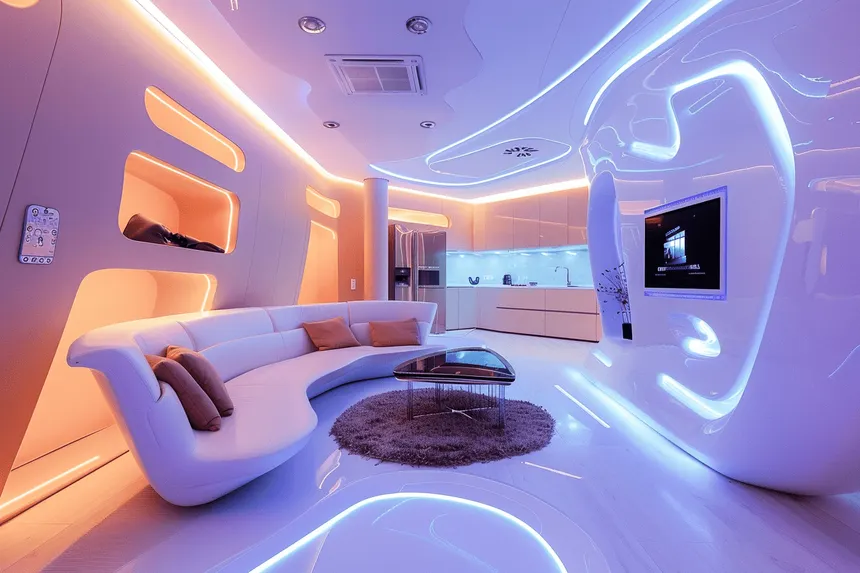
Smart home technology is no longer a futuristic luxury—it’s becoming an expected feature. For homebuyers, especially those looking for modern, efficient, and connected living, the presence of smart devices can influence purchase decisions. As a realtor, understanding how these technologies add value—and how to showcase them—is key to staying ahead.
1. What “Smart Home” Really Means
A smart home uses internet-connected devices and automation to control systems like lighting, climate, security, appliances, and entertainment. These devices communicate with each other and can often be controlled remotely from a smartphone or voice assistant. For example, the Samsung “Ambient Sensing” system is now using everyday appliances (TVs, fridges) as sensors to adjust lighting, temperature, and security automatically. The Verge+1
Smart-home adoption is rising sharply. The global smart home market is projected to reach USD 162.27 billion in 2025 and then grow even further. precedenceresearch.com+2Fiber Broadband Association+2
2. Key Smart Home Features that Buyers Care About
Here are the features transforming homes and making them attractive to buyers:
Smart Security & Surveillance: AI-powered video doorbells, facial recognition cameras, motion-sensing locks. These systems provide real-time alerts and enhance peace of mind. The CEO Views+1
Climate & Energy Efficiency: Smart thermostats and sensors learn your habits and optimize energy use. Many homes now integrate solar or energy-saving systems controlled via apps. Vivint
Wellness & Indoor Environment: Tech that monitors air quality, lighting (to match circadian rhythm), humidity, even sleep. Wellness is a growing trend in smart homes. Homes and Gardens+1
Interoperability & Connectivity: The adoption of standards like Matter allows devices from different brands to work together seamlessly, avoiding fragmented systems. Modern Home Builders magazine+1
Invisible & Integrated Design: Smart tech is becoming more discreet. Instead of visible gadgets everywhere, systems are being built into walls, lighting, and fixtures so tech blends into the home design. Homes and Gardens
3. Why This Matters in Real Estate
Increased Perceived Value: Homes with smart features often command higher prices or sell faster because buyers see them as upgraded, modern, and lower maintenance.
Stronger Marketing Angle: Listing a property with smart home features gives you an edge—“voice-controlled lighting,” “AI-security,” “climate optimized for comfort and savings” all appeal.
Future-Proofing: As technology becomes standard, homes that already have the infrastructure (smart wiring, hubs, compatible devices) are better positioned.
Energy & Cost Savings: Smart homes can reduce utility costs and increase efficiency—this appeals to buyers who care about operating expenses and sustainability.
4. What Sellers & Realtors Should Do
Highlight Smart Features in Listings: Add bullet-points like “Programmable smart thermostat,” “Video doorbell with facial recognition,” “Whole-home mesh WiFi & Matter-compatible devices.”
Provide Use-Case Demos: At showings, show how easy it is to control lights, thermostat, blinds, or security from a phone (if enabled).
Check Integration & Compatibility: If a home has various smart features, ensure they’re working and ideally unified under one app or hub. Disjointed systems may confuse buyers.
Mention Energy & Wellness Benefits: Emphasize what the tech means in practice: less wasted energy, better indoor air, adjustable lighting for mood or health, etc.
Update Older Homes: For homes that don’t have built-in smart features, recommend simple and cost-effective upgrades (smart plugs, smart switches, a central hub) to improve appeal.
Educate Buyers: Some buyers may feel intimidated by “smart home tech” if they’re not tech-savvy. Provide brief guides or reassure them that the systems are easy and increase comfort and value.
5. Considerations & Potential Drawbacks
Upfront Cost: Installing smart systems can be expensive—builders and homeowners should balance cost vs. value.
Technology Obsolescence: Technology evolves quickly; older devices or incompatible systems may become outdated.
Privacy & Security Concerns: Buyers may worry about data harvesting, device hacking, or brand-lock-in. It’s wise to speak to experts about secure networks.
Learning Curve: Not all buyers want complex systems—they may prefer simple, reliable tech. Too much complexity could even be a turn-off for some.
Platform Fragmentation: Many devices only work within one ecosystem (Apple, Google, Amazon). Ensuring inter-brand compatibility (via Matter or other open standards) is important. Fiber Broadband Association+1
✅ Final Thoughts
Smart technology is changing how homes are designed, marketed, sold, and lived in. For sellers and realtors, recognizing this shift means you can position listings with modern features, appeal to tech-savvy buyers, and add value to properties. For buyers, these homes offer improved comfort, safety, and future-readiness.As smart home tech becomes less of a luxury and more of a standard, the homes that embrace these innovations early will stand out.


Comments